The Residual Form
Squamish
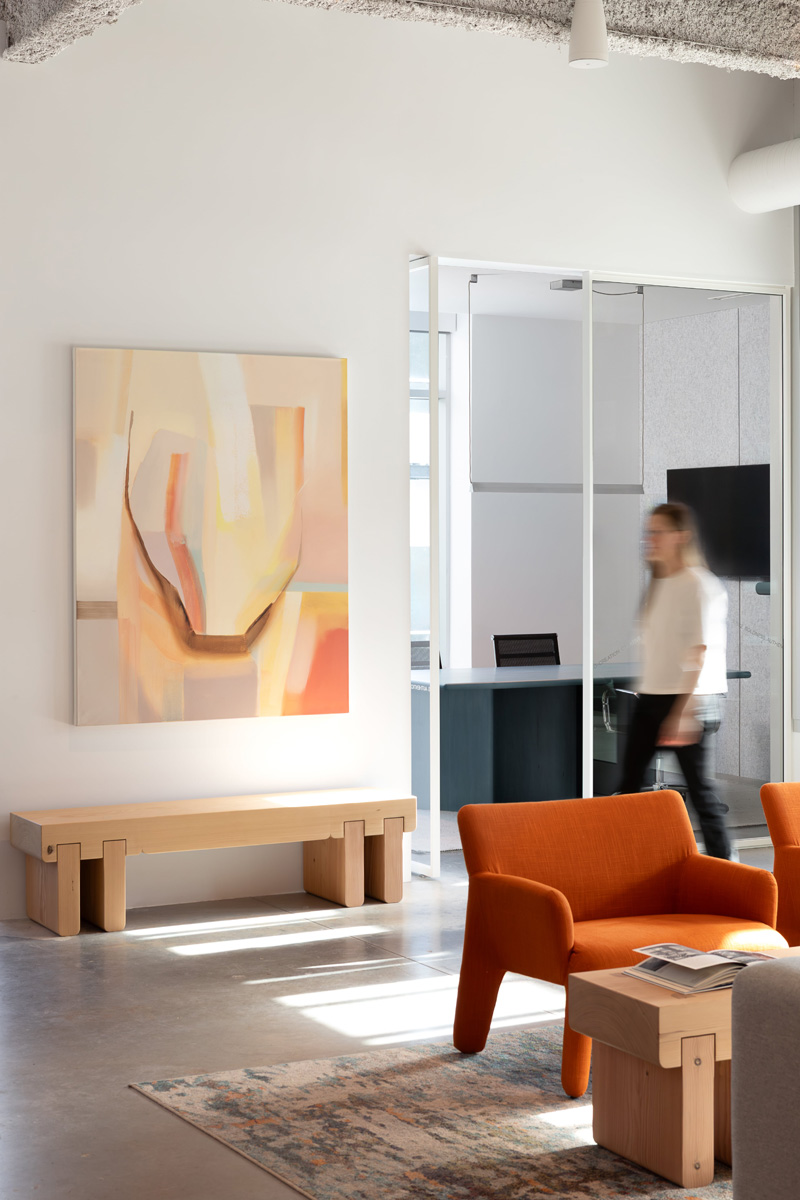
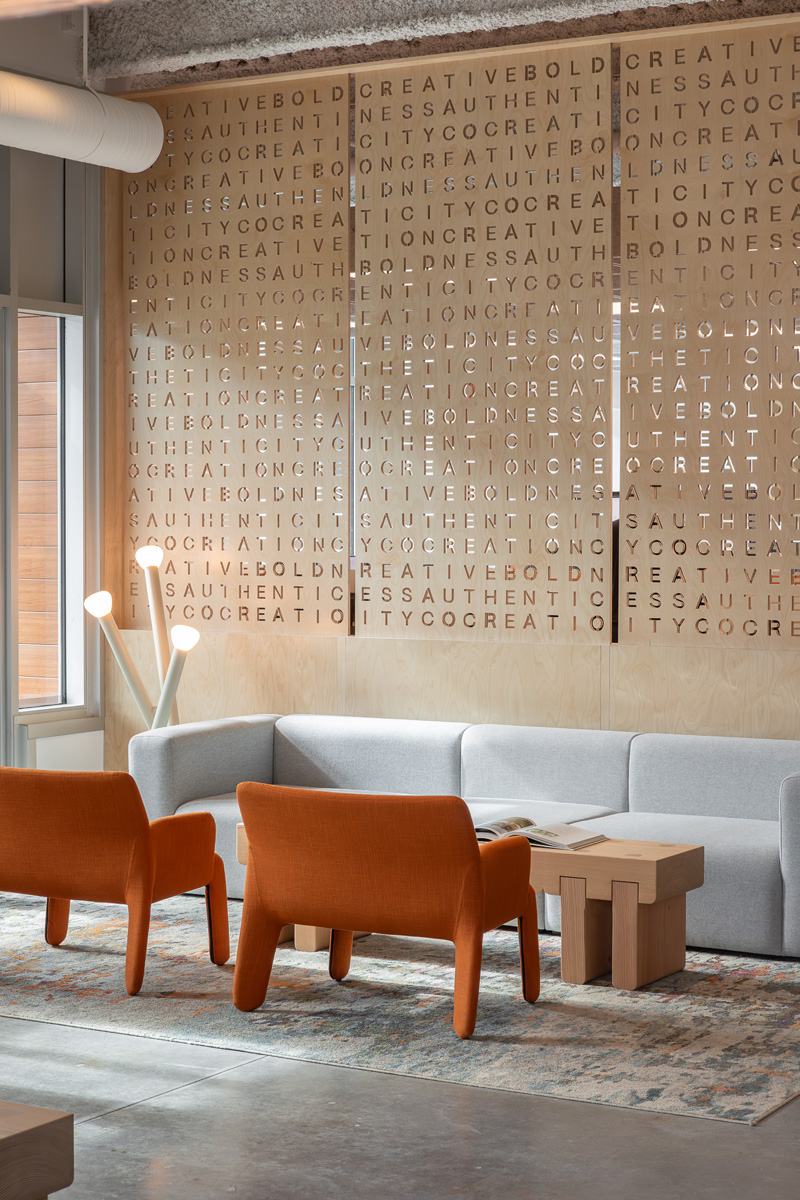
The Residual Form is a bench built from off-cuts of repurposed hemlock, originally milled for structural beams. Rather than discarding these remnants, the project reframes them as the foundation for a functional object. In doing so, it explores how architectural byproducts can find renewed purpose through careful, considered design.
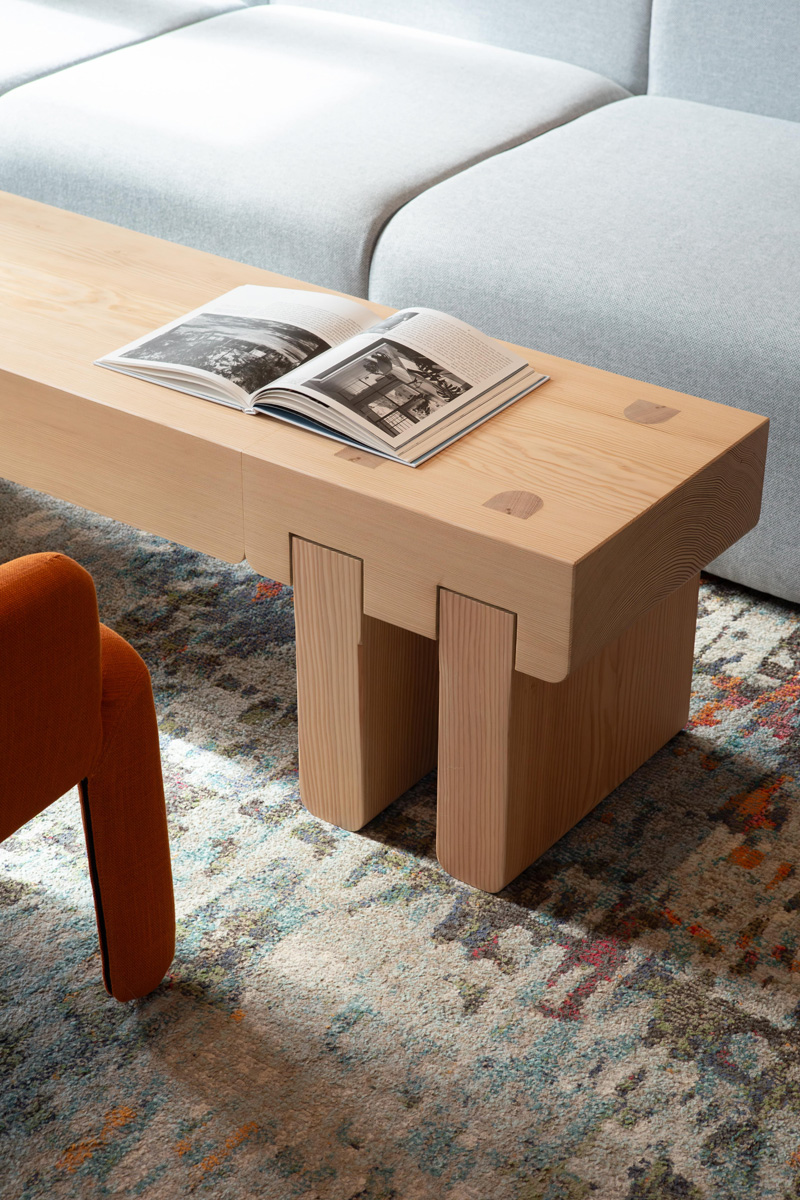
The form balances sharp, linear geometry with softened edges. As a result, it retains the clarity of its structural origins while introducing subtle curves that respond to the body. Furthermore, these curves reveal the warmth and character of the wood grain beneath. Rather than hiding material variation, the design leaves it fully visible — allowing each piece to reflect its previous life openly and honestly. In this way, no two benches are exactly alike, and that is entirely the point.
To hold everything together, the bench relies on traditional Japanese joinery. Specifically, precise connections replace visible fasteners throughout, emphasizing craft, durability, and restraint in equal measure. Consequently, the joinery itself becomes part of the visual language — a quiet demonstration of skill that rewards close attention. Together, the geometry, material, and construction method tell a coherent story from every angle.
Above all, The Residual Form bridges architecture and furniture. Rather than treating the two as separate disciplines, it translates construction-scale thinking into a tactile, human-scale object. Furthermore, it demonstrates that reuse need not mean compromise — quite the opposite. Ultimately, the bench proves that the most resolved objects often come not from new materials, but from looking more carefully at what already exists. In doing so, it makes a quiet case for material honesty, craft, and the value of things made to last.